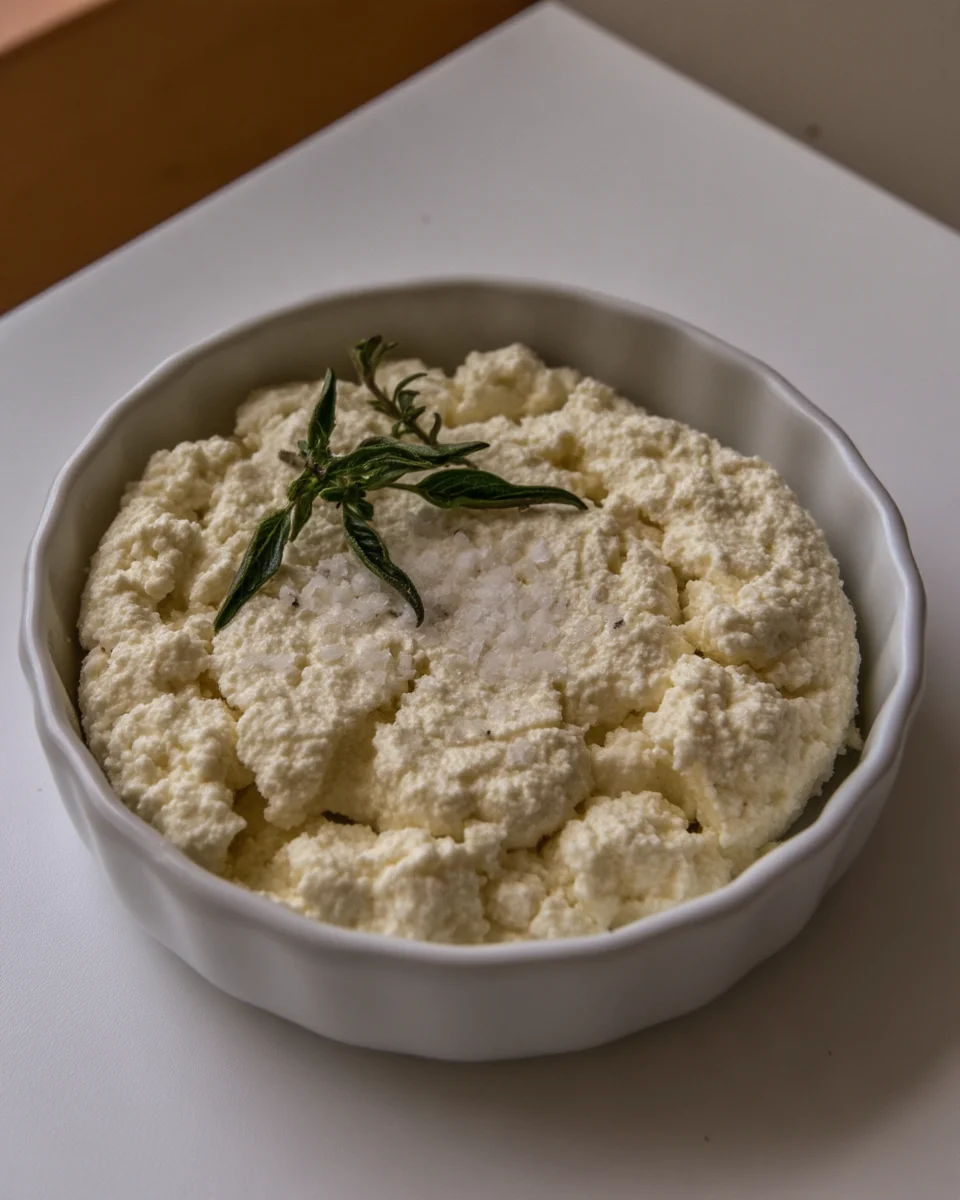
Whole Milk Ricotta has a creamy texture and a delicate flavor that transforms simple dishes into something special. This cheese is light and versatile, perfect for topping pasta, spreading on toast, or using in desserts. When you make it fresh at home, it captures a distinct richness that store-bought varieties can't match.
Using nearly boiling milk (around 200°F) and allowing the mixture to rest for a full 10 minutes ensures the curds set properly, resulting in a thicker, creamier ricotta. This method prevents that grainy texture often found in quicker recipes. Once you've tasted it, you’ll realize the difference that patience and temperature control make.
Why You'll Love This Recipe
- Freshness - Made with whole milk, this ricotta tastes best when enjoyed right after making. Store-bought versions often lack that fresh creaminess.
- Controlled Texture - By heating the milk to almost boiling, you achieve a smooth, rich texture that's hard to replicate in quick versions.
- Minimal Ingredients - With just three main ingredients, you know exactly what’s in your ricotta, unlike many processed options.
- Versatile Use - This ricotta can be spread, dolloped, or baked into a variety of dishes, adding creaminess wherever needed.
- Simple Process - In just 15 minutes, you create ricotta from scratch with no special equipment or skill required.
Ingredients & Substitutions
Serves 1 cup
For the Ricotta
- 4 cups whole milk — provides the rich base; skim or low-fat milk leads to a grainier texture and less creaminess.
- 2 1/2 tablespoons lemon juice — adds acidity to aid curdling; can be replaced with white vinegar or buttermilk, but ensure the acidity is similar.
- 1/2 teaspoon kosher salt — enhances the flavor; don't substitute with table salt unless you adjust the quantity, as it's much saltier.
How to Make Whole Milk Ricotta
Step 1: Prepare the Colander
Wrap a piece of cheesecloth over a colander and set it over a mixing bowl. This will catch the curds as they separate from the whey, so ensure it’s lined well to prevent spills.
Step 2: Heat the Milk
Pour 4 cups of whole milk into a large saucepan. Heat over medium-high heat until it reaches about 200°F. Keep an eye on it; you'll see small bubbles form at the edges just before it simmers. This is your cue to add the lemon juice and salt.
Step 3: Add Lemon Juice and Salt
Once the milk is nearly boiling, remove it from the heat. Stir in 2 1/2 tablespoons of lemon juice and 1/2 teaspoon of kosher salt with a wooden spoon. As you stir, look for the milk to start curdling—it will separate into soft curds and cloudy whey.
Step 4: Let Curds Set
Cover and let the mixture sit for 10 minutes. This step is crucial; the curds need this time to thicken properly. You'll notice they’ll firm up and separate from the whey as they cool slightly.
Step 5: Transfer to Cheesecloth
After 10 minutes, carefully pour the curds into the cheesecloth-lined colander. Use a spatula to help scoop out the curds without losing any precious bits. You should see the clear whey draining away.
Step 6: Drain the Ricotta
Allow the ricotta to drain for another minute or so depending on your preferred consistency. For creamier ricotta, drain less; for drier ricotta, leave it longer.
Step 7: Serve and Store
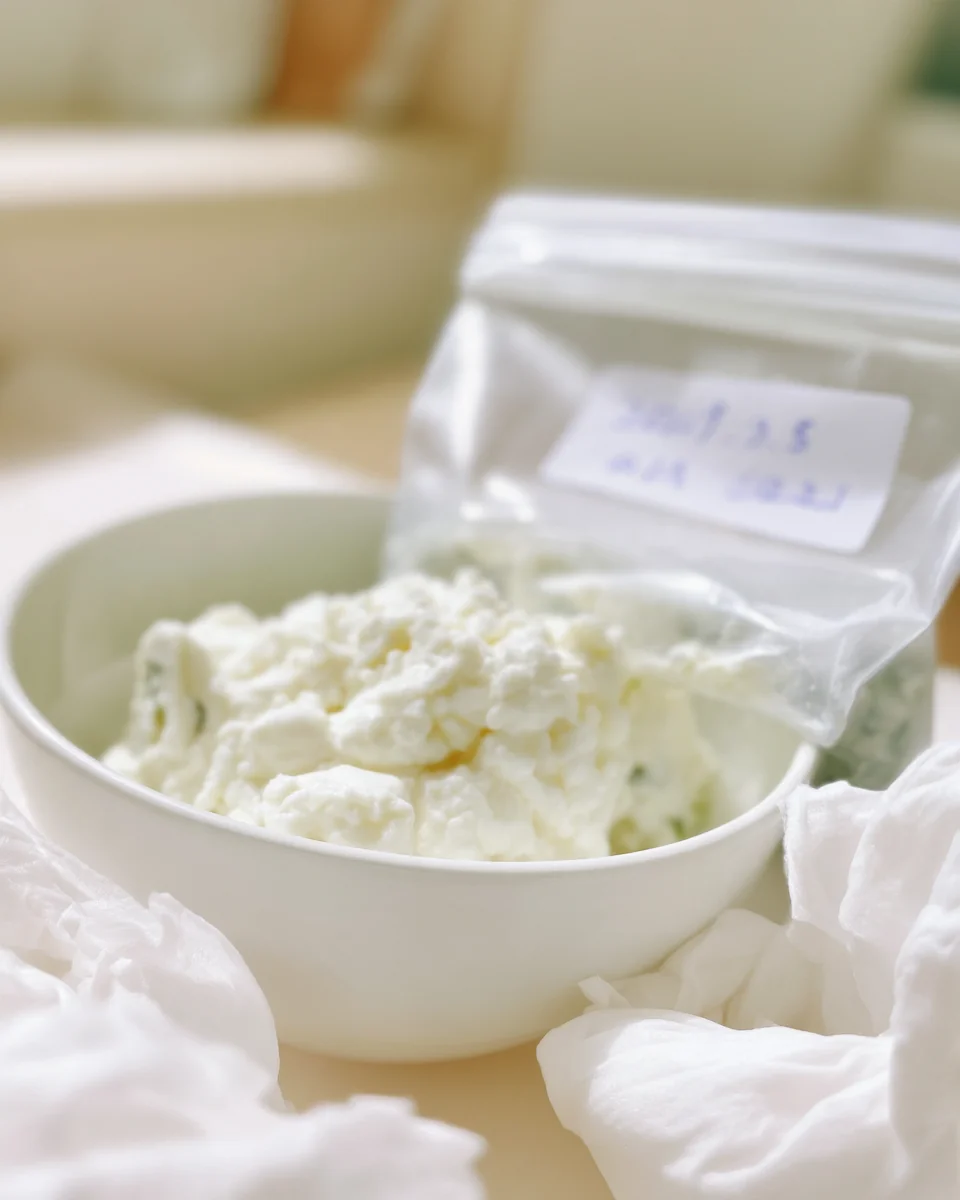
After draining, your ricotta is ready to use! Let it cool in the bowl for about 10 minutes before serving or storing in an airtight container. This ricotta keeps in the fridge for up to 5 days, but it’s best enjoyed fresh.
How to Serve Whole Milk Ricotta
Whole Milk Ricotta shines when served correctly, enhancing its creamy texture and rich flavor. Whether you use it for breakfast, lunch, or dinner, knowing how to best present and pair it is key.
Serving Ideas
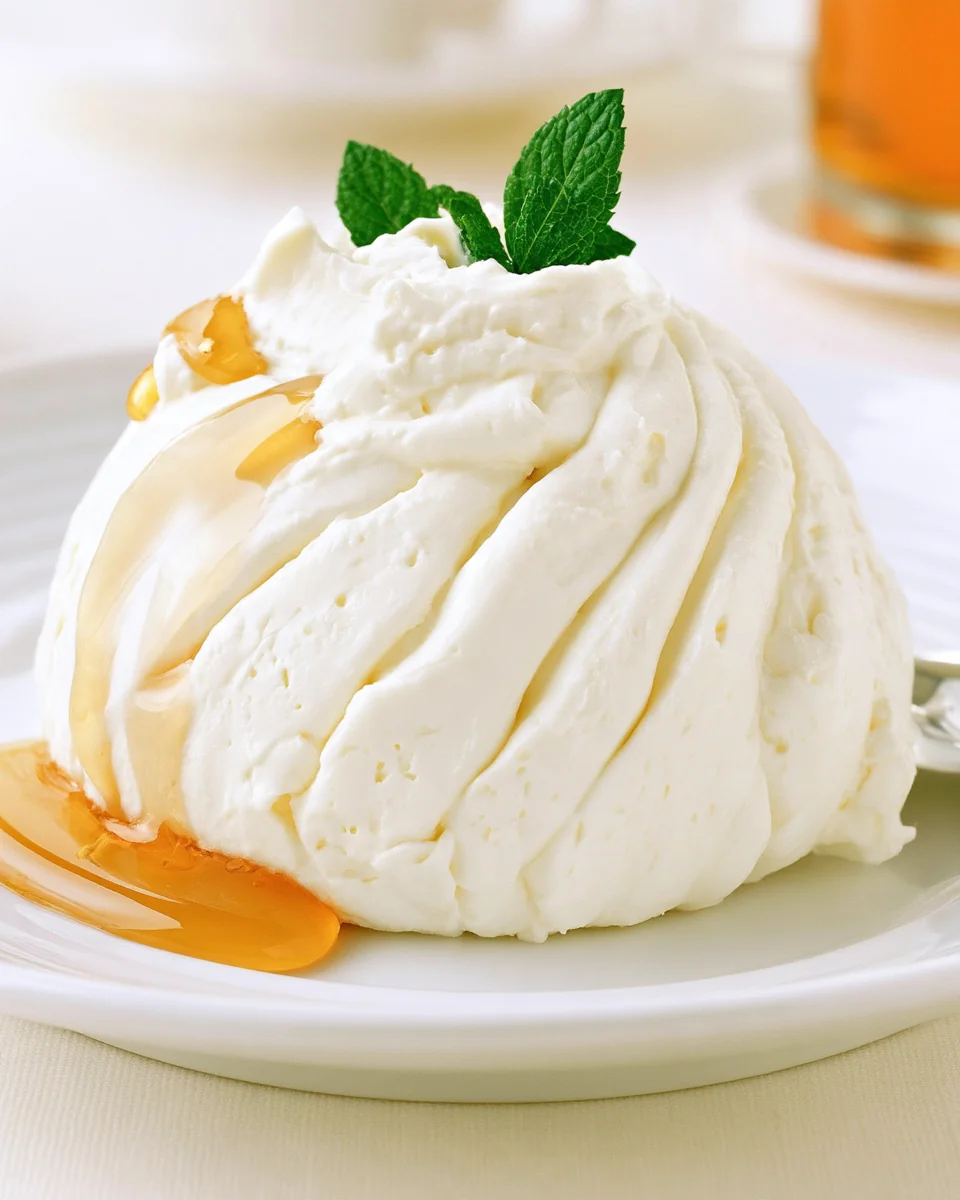
- Serve warm for creaminess — Allow your ricotta to rest for 10 minutes after transferring from the heat. This resting period keeps it creamy, making it perfect for spreading on bread or drizzling with honey.
- Use a shallow bowl for presentation — A shallow dish allows you to showcase the ricotta’s texture. It encourages guests to scoop generously and gives room for toppings or drizzle.
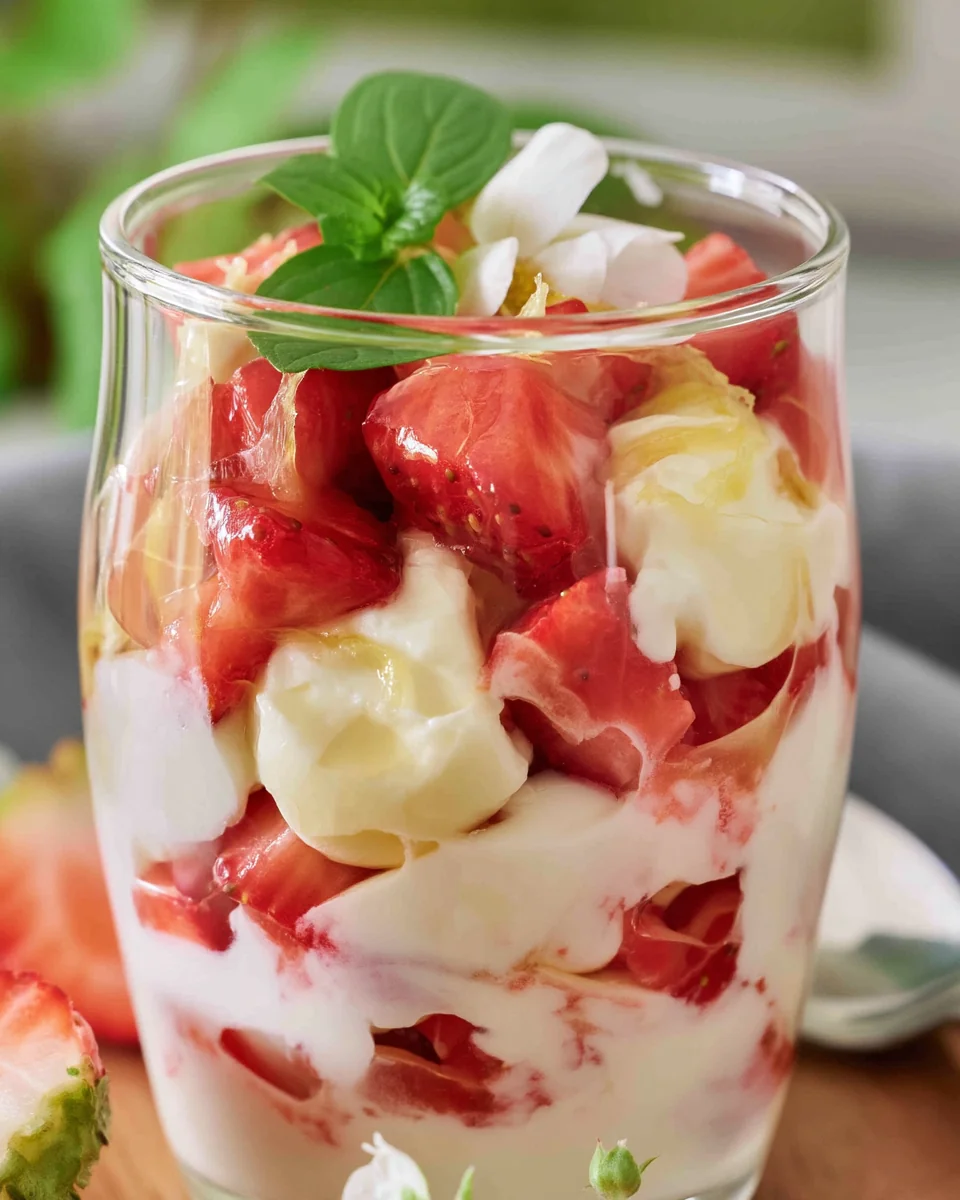
- Pair with seasonal fruits — Sit the ricotta next to a platter of fresh fruits like figs or berries. Their natural sweetness contrasts beautifully with the ricotta's richness, making it suitable for brunch or afternoon snacking.
- Opt for a rustic wooden board — When serving for a gathering, place ricotta on a wooden board with crusty bread, nuts, and honey. This creates a charming centerpiece that invites sharing.
What to Serve Alongside
- Honey — The sweetness balances the mildness of the ricotta, enhancing its creaminess.
- Balsamic reduction — This tangy addition cuts through the richness, adding a savory touch that contrasts well.
- Toasted nuts — Their crunch and nutty flavor provide texture and depth, making each mouthful interesting.
- Fresh herbs — Sprinkling basil or mint brightens the dish, adding freshness that complements the rich creaminess.
- Roasted vegetables — The caramelized flavors of roasted veggies provide a hearty contrast, making it suitable as part of a savory dish.
- Crackers or crostini — This crunch offers a pleasing textural contrast, making it easy to enjoy as a snack or appetizer.
 Pin it
Tips for the Best Whole Milk Ricotta
To master Whole Milk Ricotta, some specific tips can guide your preparation for a consistent, creamy result.
- Use an accurate thermometer — Keep your milk heated to 200°F (93°C). At this point, it is almost boiling but not bubbling, crucial for ensuring the curds form without burning.
- Incorporate lemon juice gently — Stir in the lemon juice and salt gently; aggressive stirring can disrupt curd formation. Aim for about 12 gentle stirs until you see curds start to form.
- Wait the full 10 minutes — Let the curds sit off the heat for a full 10 minutes. This time allows the curds to thicken properly, preventing a grainy texture.
- Check for curds before straining — The ricotta is ready when distinct curds have separated from the whey. If you see none or very few, give it an extra minute or two to sit.
- Rest in the fridge for better flavor — If you're not serving immediately, allow the ricotta to cool before refrigerating. It can develop richer flavors as it chills.
- Avoid over-salting — Start with 1/2 teaspoon of salt; ricotta can become too salty easily, masking its fresh taste.
- Use fresh whole milk — Ensure your milk is fresh for the best results; older milk can lead to undesirable flavors and affect the curd formation negatively.
How to Store Whole Milk Ricotta
Whole milk ricotta keeps best in the refrigerator. This helps retain its freshness and prevents spoilage that can occur at room temperature.
Room Temperature
- Whole milk ricotta is not suitable for storage at room temperature.
- The risk of bacterial growth increases if dairy is left out, especially for more than two hours.
- If it has been sitting out, check for off smells or visible spoilage—discard it if anything seems off.
Refrigerator
- Store whole milk ricotta in an airtight container for up to 5 days.
- Glass or plastic containers with tight-sealing lids work best.
- Look for changes in texture or odor; if it starts to smell sour or has visible mold, it’s time to toss it.
Freezing Whole Milk Ricotta
- If you need to store it longer, you can freeze whole milk ricotta for up to 3 months.
- Use freezer-safe containers that won't crack or break under cold temperatures.
- Before using, thaw it overnight in the fridge and be aware that the texture may change.
Frequently Asked Questions
Can I make whole milk ricotta ahead of time?
Yes, you can prepare whole milk ricotta ahead of time. Make it a day or two before you need it, but for the best flavor, use it fresh within 24 hours of making.
Why did my whole milk ricotta turn out dense?
If your ricotta is dense, it may have been overcooked or did not curdle properly. Ensure the milk reaches 200°F and allow the curds to rest for the full 10 minutes for lighter, fluffier ricotta.
Can I halve the whole milk ricotta recipe?
You can halve the recipe easily by using 2 cups of whole milk and adjusting the lemon juice and salt proportionately. This method maintains the same cooking time and temperature—200°F for 13 minutes.
Does whole milk ricotta freeze well?
Yes, whole milk ricotta can be frozen without much loss in quality. However, the texture may change after thawing, making it best suited for cooking or baking.
What pan can I use instead of cheesecloth for whole milk ricotta?
If you don't have cheesecloth, a fine mesh strainer or a clean dish towel works well to separate the curds from the whey. Just make sure it's fine enough to catch all the curds.
Final Thoughts
Making whole milk ricotta at home is not only rewarding but also versatile in various dishes. Use it fresh in pastas, salads, or spreads, or incorporate it into desserts like cheesecake. This recipe allows for customization; consider adding herbs or spices during the curdling process for a unique twist. Give it a try and enjoy a taste of homemade goodness!