How to freeze ricotta cheese is a practical skill to have, especially if you enjoy making dishes that use this creamy cheese. When frozen properly, ricotta maintains its texture and flavor, making it an excellent choice for lasagna, stuffed pasta, or even desserts. This guide ensures that you can save that leftover ricotta without worry, preventing graininess or excess moisture upon thawing.
Many people underestimate the importance of drying ricotta cheese before freezing. This method focuses on removing excess liquid to prevent freezer burn, which can lead to a grainy texture or watery cheese after thawing. By following the steps outlined here, you will keep your ricotta smooth and delicious for up to three months.
Why You'll Love This Recipe
- Prevents freezer burn — Removing moisture helps maintain the texture of the ricotta cheese during storage.
- Simple process — With just a few steps, you can prepare ricotta for the freezer in under 5 minutes.
- Convenient storage — Freezing ricotta cheese means you have this versatile ingredient ready to use anytime.
- Long-lasting quality — When stored properly, ricotta can stay fresh in your freezer for up to three months.
- Ideal way to save leftovers — This method is perfect when you have leftover ricotta after making recipes like pasta or cannoli.
Ingredients & Substitutions
Serves 1 ricotta cheese package
Ricotta Cheese
- 1 package (about 15 ounces) ricotta cheese — the base ingredient that you’ll freeze; aim for whole milk ricotta for the creamiest results. Low-fat variants can become grainy when thawed.
Paper Towel
- 1 paper towel — used to absorb excess moisture from the ricotta; a cloth towel will work too, but be careful it doesn't leave fibers behind.
Freezer Bag or Container
- 1 freezer bag or container — essential for storing the ricotta in the freezer; an airtight bag prevents moisture from entering. A regular plastic bag will not protect against freezer burn.
How to Make How to freeze ricotta cheese
Step 1: Dry the Cheese
Start by draining any liquid from the ricotta cheese.
- Place the cheese on a paper towel.
- Gently squeeze to remove excess moisture. Aim for the cheese to feel less wet; it should not be overly sticky.
Step 2: Prepare the Storage Bag
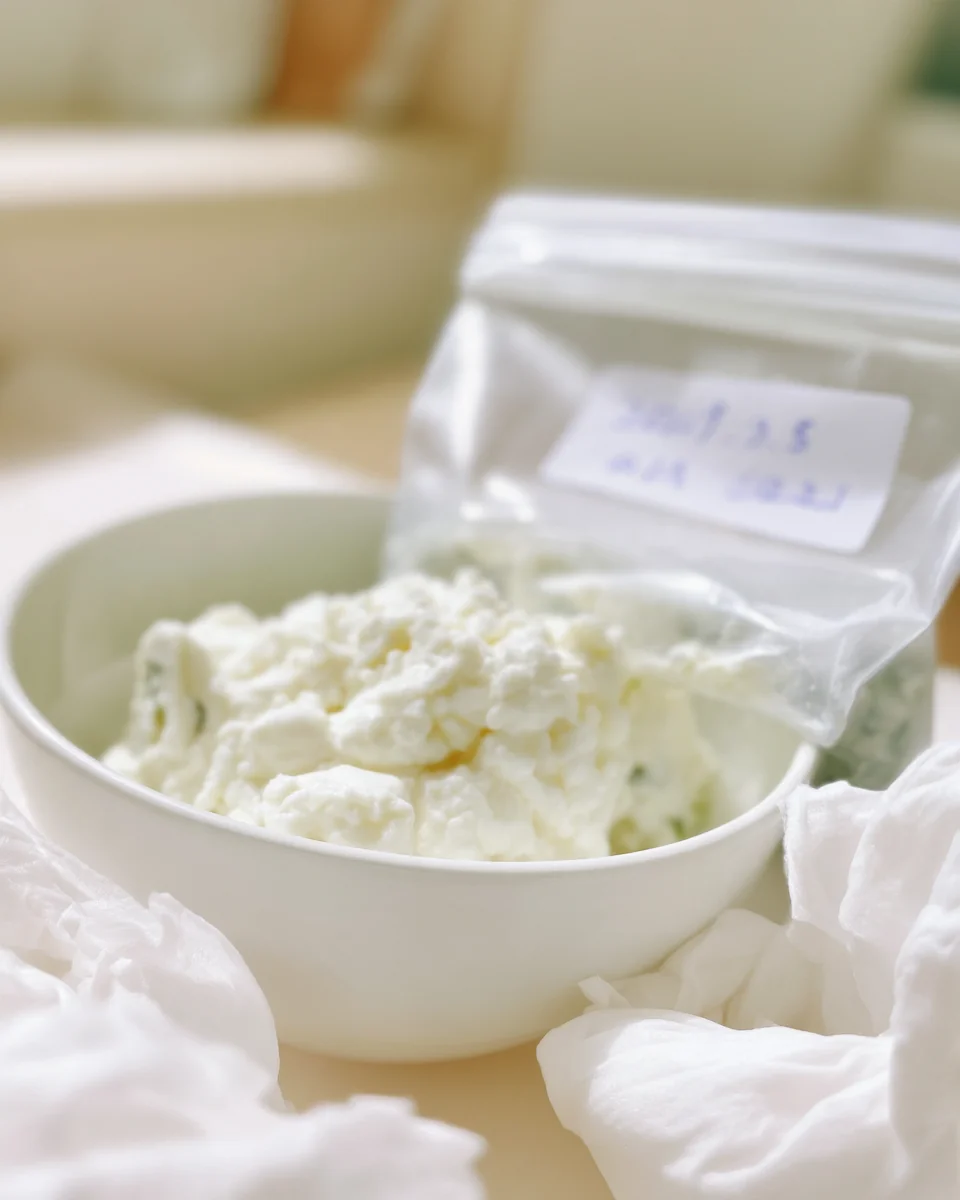
Label a freezer bag with the date and “ricotta.” This will help you with tracking how long it has been stored.
- Use a permanent marker or tape for clarity, as you want to keep track for optimal use within 1-2 months.
Step 3: Pack the Ricotta
Transfer the dried ricotta cheese to the labeled freezer bag.
- Squeeze out as much air as possible before sealing.
- Flatten the bag for more uniform freezing, which helps it thaw faster later.
Step 4: Freeze the Ricotta
Place the sealed bag flat in the freezer.
- Ensure it’s stored in a spot where it won’t get crushed by other items. This makes sure the ricotta freezes evenly and doesn’t take on odd shapes.
Step 5: Thaw the Ricotta
To thaw, place the ricotta in the fridge for about 24 hours.
- Check it after that time; moisture may collect, so stir the cheese to recombine before using. It’s best to use the thawed ricotta as soon as possible to enjoy its full flavor.
How to Serve How to freeze ricotta cheese
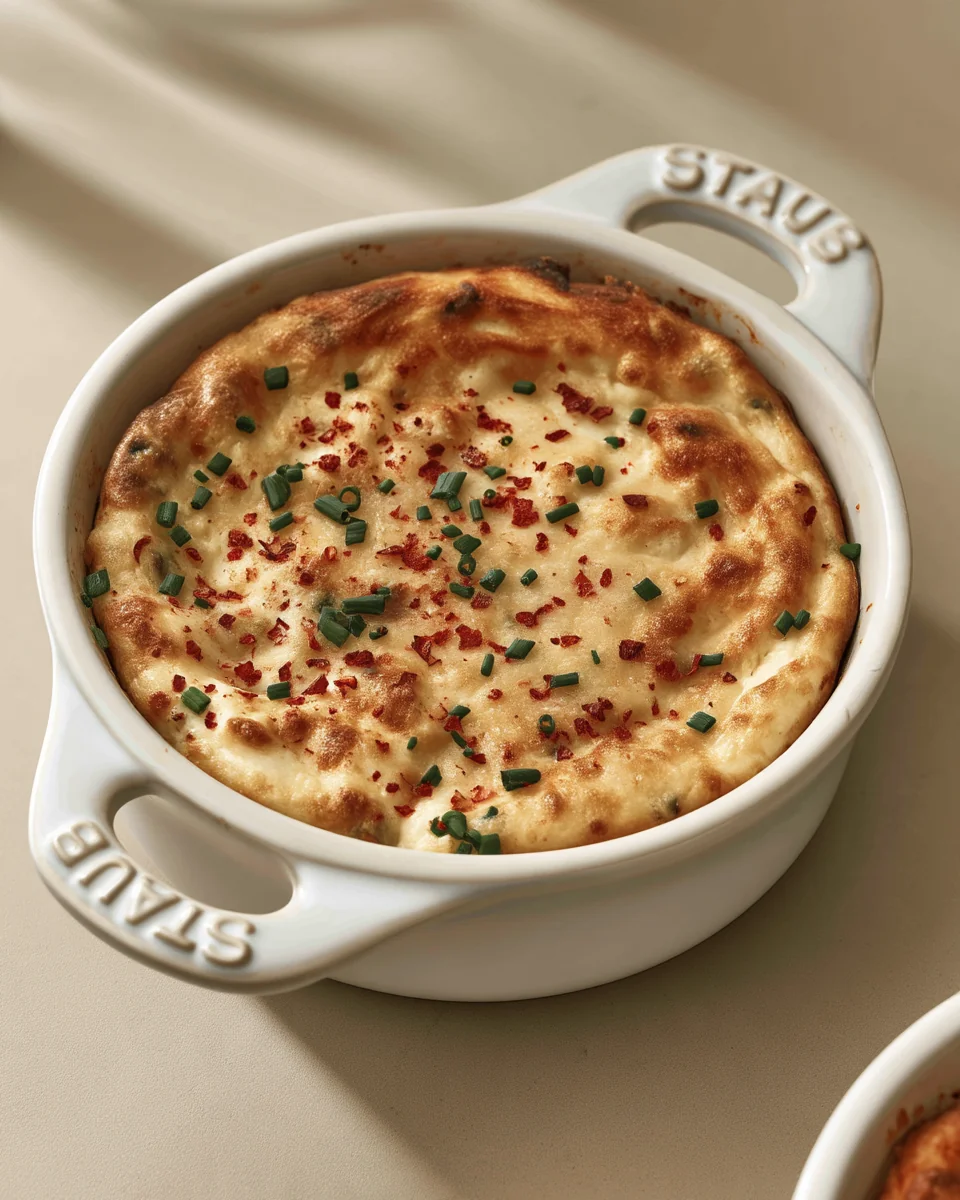
Freezing ricotta cheese is a nifty trick to preserve its freshness for later use in dishes like lasagna or stuffed pasta. Serving it properly can enhance your meal or snack, allowing the ricotta's texture and flavor to shine through. Here are some tips on how to serve it and what to pair it with once it's been thawed.
Serving Ideas
- Serve chilled — Thawed ricotta is best at refrigerator temperature, about 40°F. Plan for it to chill in the fridge for about 24 hours after thawing for optimal texture and flavor.
- Use a shallow dish — When plating ricotta, choose a wide, shallow bowl. This allows for quicker thawing and gives a rustic presentation that's inviting for dips or spreads.
- Portion for snacks — When using ricotta as a part of a meal or snack, aim for about 1/2 cup servings. This size holds well for spreads on crackers or as a topping for toast.
- Accentuate with toppings — Drizzle with olive oil or a sprinkle of herbs just before serving. This adds flavor and creates an appealing look. Aim for a teaspoon of oil or a pinch of herbs to give it a fresh finish.
What to Serve Alongside
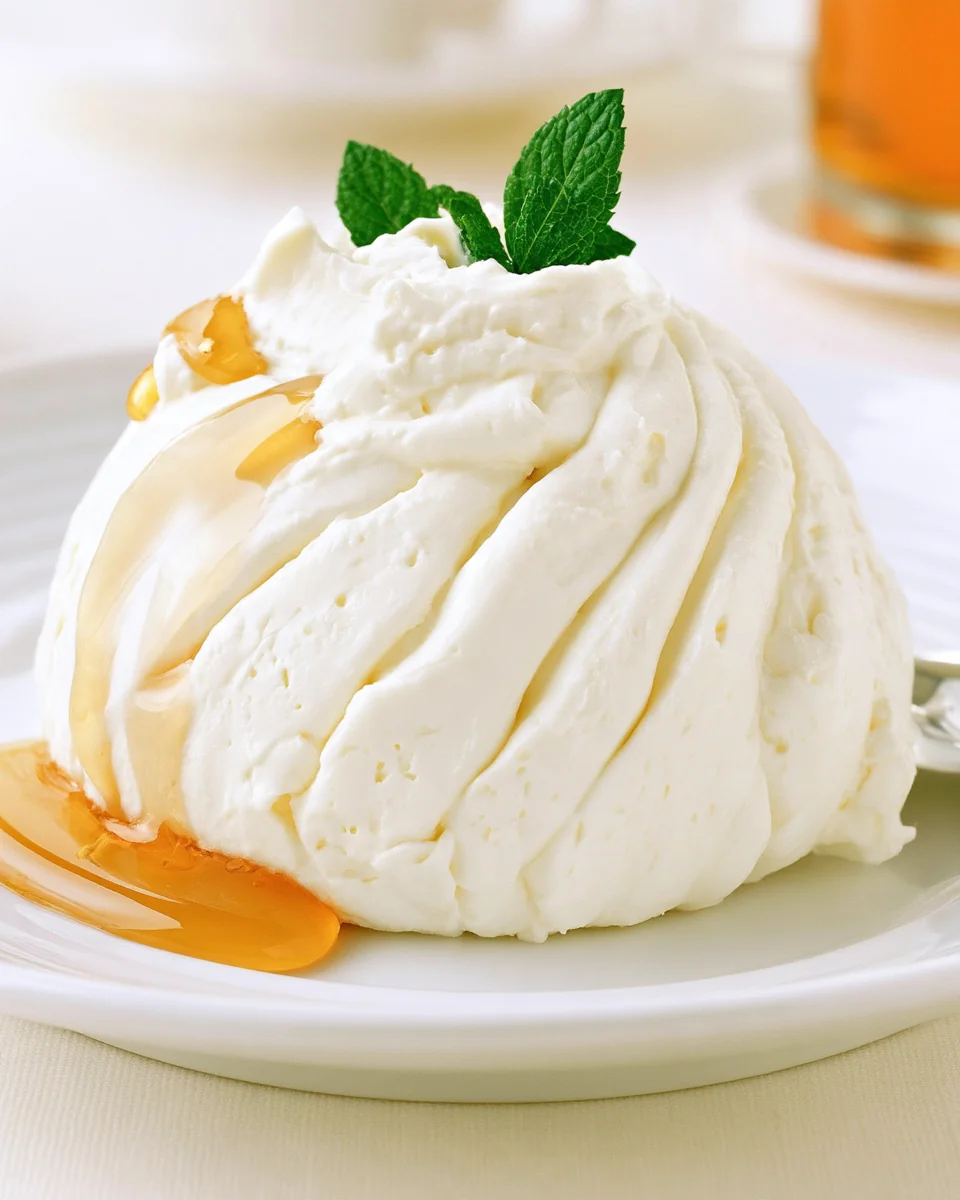
- Honey — The sweetness of honey balances the creaminess of ricotta, creating a delightful contrast.
- Grilled vegetables — Charred zucchini or bell peppers add a savory note to the rich cheese, enhancing its flavor profile.
- Crusty bread — The crunchy texture of toasted bread provides a perfect contrast to the smoothness of the ricotta.
- Fresh fruit — Slices of fresh figs or berries bring a refreshing acidity that pairs beautifully with the creamy cheese.
- Balsamic glaze — A drizzle of balsamic adds an acidic bite, cutting through the richness and enhancing its taste.
 Pin it
Tips for the Best How to freeze ricotta cheese
Freezing ricotta cheese effectively preserves its quality, but a few trick details matter. Here’s how to achieve the best results with your ricotta.
- Dry it well — Before freezing, drain any liquid and press out additional moisture using a paper towel. This prevents freezer burn, which can ruin the texture.
- Label your bag correctly — Write the date and type of cheese on the freezer bag. This helps you keep track of how long it’s been stored, aiming to use it within 1-2 months for the best quality.
- Seal tightly — Squeeze out as much air as possible from the freezer bag before sealing. Air can lead to freezer burn and a compromised texture.
- Avoid overpacking — Spread the ricotta in a single layer if possible in the bag. This will make it easier to thaw and retain its creaminess.
- Thaw slowly — Always thaw in the fridge for 24 hours instead of at room temperature. This keeps the ricotta from becoming watery and helps maintain its creamy texture.
- Watch the time — If you notice that the ricotta has been in the freezer for more than three months, check for signs of freezer burn before use. Even if it looks fine, quality can degrade over time.
- Mix gently after thawing — If you notice separation after thawing, stir gently with a fork to recombine it, but avoid over-mixing to keep its fluffy texture intact.
How to Store How to freeze ricotta cheese
Frozen ricotta cheese keeps best in an airtight freezer bag or container for up to 3 months. For the best flavor and texture, use it within 1-2 months.
Room Temperature
- Ricotta cheese should not be stored at room temperature; it will spoil quickly.
- If left out for too long, it can develop harmful bacteria and should be discarded immediately.
- Always refrigerate or freeze ricotta cheese to maintain its quality.
Freezing How to freeze ricotta cheese
- Best for: Up to 3 months in an airtight container or bag.
- Container: Use a sturdy freezer bag or a well-sealed container that can prevent air from entering.
- Signs of spoilage: If the cheese has ice crystals forming or shows a grainy texture upon thawing, it may have been frozen improperly. Use it immediately and consider adjusting your moisture removal process for next time.
Refrigerator
- Best for: 5-7 days after opening.
- Container: Keep ricotta in its original container or transfer to an airtight one.
- Signs of spoilage: A sour smell, change in texture, or mold indicates it's time to toss the cheese.
Frequently Asked Questions
Can I freeze ricotta cheese?
Yes, you can freeze ricotta cheese effectively by following the proper moisture removal process. This helps to keep it from getting grainy or watery upon thawing.
How to freeze ricotta cheese for the best results?
To freeze ricotta cheese, first drain any excess liquid and place it on a paper towel to absorb moisture. Then, store it in an airtight bag or container to protect it from freezer burn.
How long does frozen ricotta cheese last?
Frozen ricotta cheese lasts up to 3 months, but it's best used within 1-2 months for optimal quality. After that, the texture and flavor may begin to degrade.
Why did my ricotta cheese turn out dense after freezing?
If ricotta appears dense after freezing, it likely still contained excess moisture before freezing. Ensure to drain and press out any liquid thoroughly before freezing for a better texture.
Can I halve the ricotta cheese package before freezing?
Yes, you can halve the ricotta cheese package. Just remember to follow the same steps for moisture removal for both portions to maintain quality.
Final Thoughts
Freezing ricotta cheese is a simple and effective way to extend its shelf life without sacrificing taste. With just a few steps to remove excess moisture, you can preserve its texture and enjoy it in future dishes. Try customizing your ricotta by adding herbs or spices before freezing for a flavorful twist when you thaw it. Don’t hesitate to give this freezing method a try! Your future recipes will thank you.