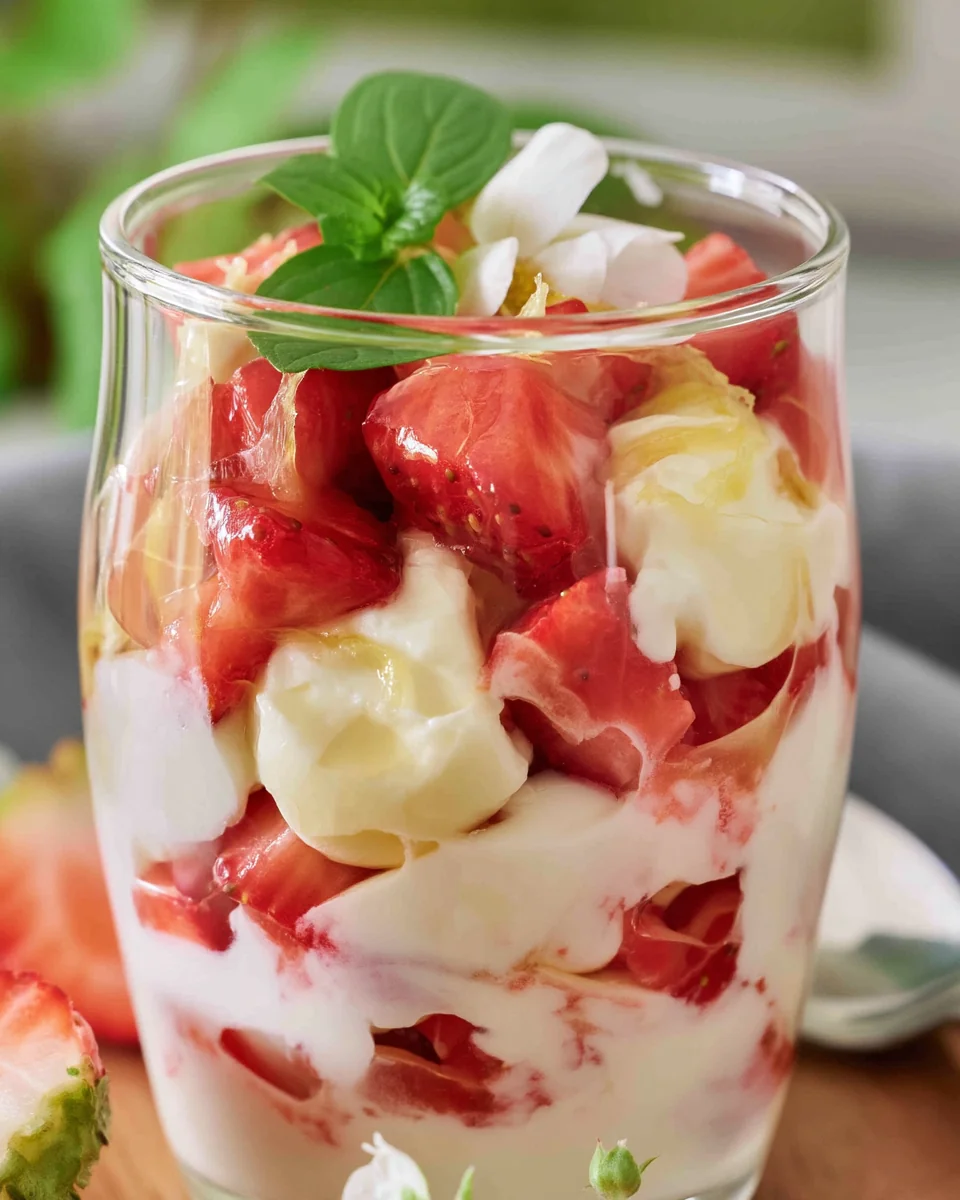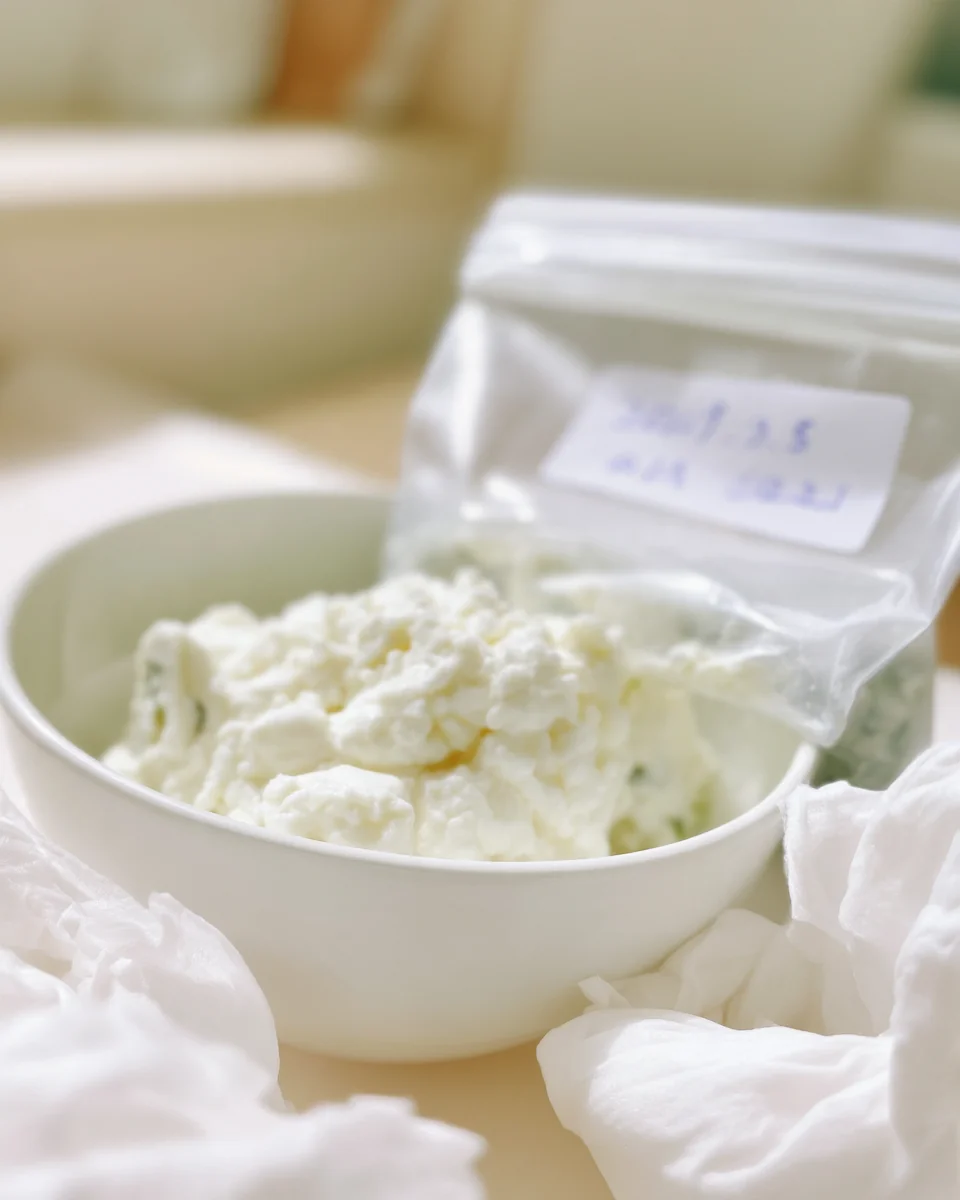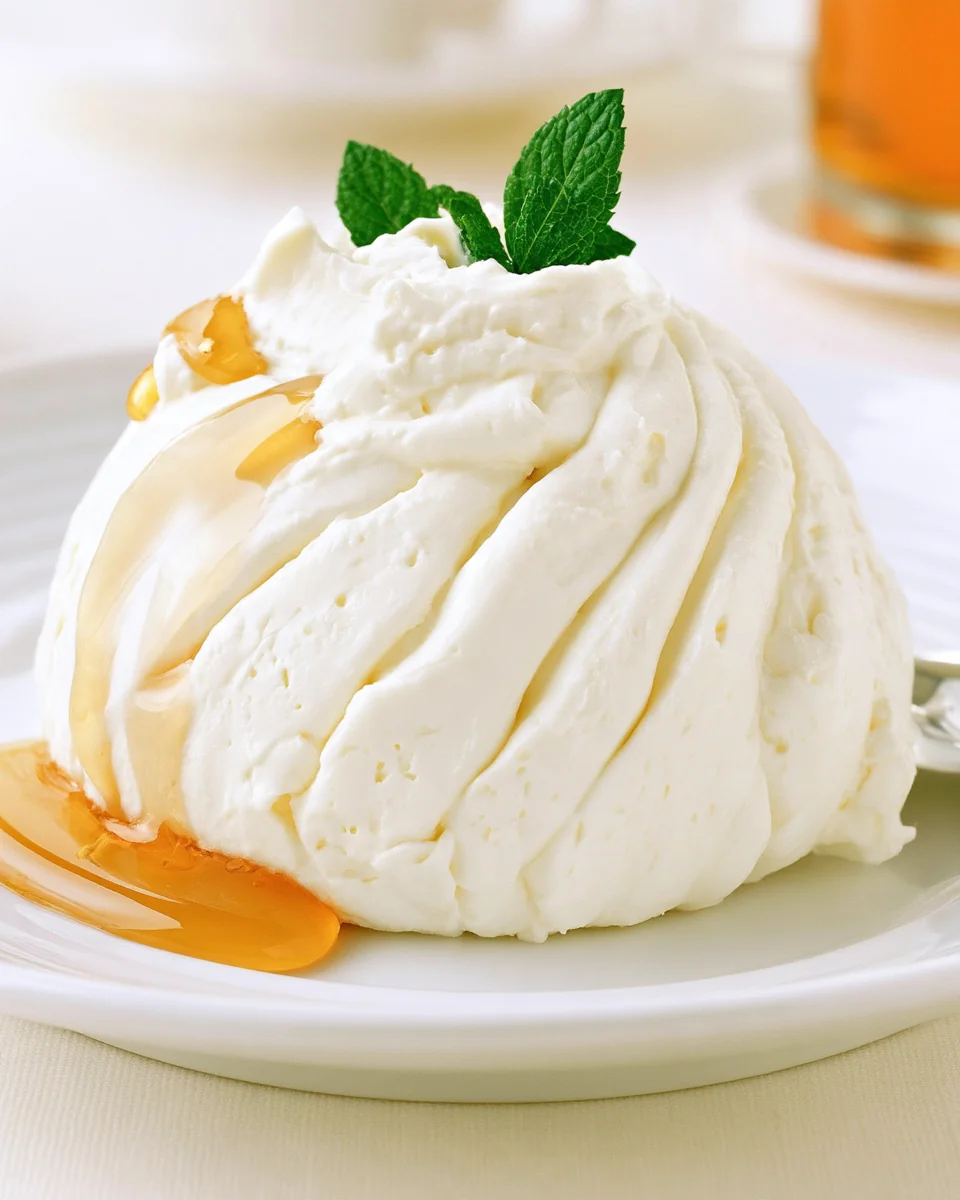
Homemade Mascarpone is a creamy, rich cheese that melts delightfully in your mouth. Perfect for desserts like tiramisu or simply spread on toast, its velvety texture makes it a luxurious addition to any dish. Making mascarpone at home allows for complete control over the flavor and texture, giving you the freedom to enjoy it in its freshest state.
This recipe stands out because it emphasizes a gentle simmer of the cream at 190°F (88°C), avoiding scorching that often ruins the final result. Many common mascarpone recipes overlook the cooling step, but letting the mixture cool before straining is essential. Doing this prevents graininess and ensures a smooth, thick cheese that can be used and savored in various ways.
Why You'll Love This Recipe
- Only two ingredients — just heavy cream and lemon juice make this mascarpone, simplifying the process significantly.
- Controlled temperature — simmering at 190°F (88°C) helps avoid scorching, which can spoil the texture.
- Thickening method — allowing the cream to cool and thicken before straining is crucial for achieving that silky consistency.
- Freshness guaranteed — making it at home means you'll have mascarpone that's fresh and free from additives, perfect for your favorite recipes.
Ingredients & Substitutions
Serves 1.25 cups
For the Mascarpone
- 2 cups heavy cream — provides the rich fat content necessary for a creamy cheese; avoid ultra-pasteurized creams as they don’t thicken well.
- 2 tablespoons fresh squeezed lemon juice — adds acidity, which helps curdle the cream; bottled lemon juice will not provide the same texture, so use fresh whenever possible.
How to Make Homemade Mascarpone
Step 1: Heat the Cream
Pour the 2 cups of heavy cream and 2 tablespoons of lemon juice into a medium heavy-bottomed pot. Place over medium heat, stirring almost constantly with a silicone spoonula. You want the cream to just come to a simmer, around 190°F (88°C). Keep an eye on the cream; it should steam lightly and small bubbles will rise to the surface without popping violently.
Step 2: Simmer Gently
Once simmering, continue to cook for an additional 5 minutes, stirring gently. To maintain a steady gentle simmer, shift the pot on and off the flame as needed. The cream will begin to thicken slightly. You want to look for a rich, velvety consistency forming—this signals that you are on the right track.
Step 3: Cool the Cream
After the gentle simmer, transfer the pot off the heat and let the cream cool completely. It’s helpful to pour the hot cream into a glass container and place it in an ice bath to expedite this cooling process. The cream should feel slightly chilled to the touch before moving on. This step is crucial as the mascarpone will thicken further while it cools.
Step 4: Strain the Mixture
Line a mesh strainer with multiple layers of cheesecloth or a light kitchen cloth. Place it over a bowl to catch the dripping whey. Pour the cooled cream mixture into the lined strainer. Cover it loosely with plastic wrap and then refrigerate for 8 hours; this allows the cream to transform into mascarpone as it drains.
Step 5: Store the Mascarpone
After 8 hours, carefully remove the cheesecloth holding the mascarpone. Transfer the thickened cheese into a tightly closed container and place it in the refrigerator. This homemade mascarpone will keep well for about one week—make sure to use it fresh for the best flavor and texture.
How to Serve Homemade Mascarpone
Homemade mascarpone is a versatile ingredient that adds richness to both sweet and savory dishes. It’s best enjoyed fresh, and serving it just right can enhance its creamy texture. Here are some ideas on how to present this delightful cheese and what to pair it with.
Serving Ideas
- Serve chilled — Mascarpone is best when slightly chilled. Allow it to rest in the refrigerator for at least 30 minutes before serving to reach the ideal texture.
- Use a shallow bowl — Presenting mascarpone in a shallow dish allows guests to scoop the creamy cheese easily while showing off its smooth surface.
- Pair with seasonal fruits — Serve alongside a vibrant array of berries or sliced stone fruits. Their natural acidity balances out the rich creaminess of the mascarpone, adding color and flavor to the plate.
- Offer with desserts — Use it as a spread for biscotti or a filling for cakes. This cheese can be served straight or dolloped onto desserts like tarts, where it complements sweeter notes with its subtle richness.
What to Serve Alongside
- Fresh Berries — Their acidity cuts through the creaminess, providing a bright contrast.
- Savory Cracker — A crispy and salty cracker adds a delightful crunch alongside the smooth texture.
- Honey Drizzle — A light drizzle introduces sweet notes that pair well with mascarpone’s richness.
- Chocolate Shavings — They contribute a sweet, slightly bitter element that enhances the overall flavor experience.
- Roasted Nuts — Their crunchiness adds an interesting texture contrast, enhancing every scoop of the cream.
- Sliced Prosciutto — The saltiness of the prosciutto works to balance the flavor profile of the mascarpone beautifully.
 Pin it
Tips for the Best Homemade Mascarpone
Making homemade mascarpone is straightforward, but a few tips ensure you get it just right.
- Choose the right cream — Use 2 cups of heavy cream labeled as non-ultra-pasteurized. This cream thickens better, resulting in a creamier mascarpone.
- Heat slowly to avoid scorching — Gently heat the cream to just shy of simmering at 190°F (88°C). Stir slowly and continuously; this prevents any scorching at the bottom of the pot which can ruin the flavor.
- Cool with an ice bath — After heating, transfer the cream to a glass container and place it in an ice bath to chill it quickly. This brings it to the right temperature for straining without losing thickness.
- Check for thickness — Before straining, the cooled cream should have a slight chill and be visibly thicker. If it looks too thin, give it more time in the refrigerator to set; this step is crucial for achieving the right texture.
- Use enough layers of cheesecloth — Line your strainer with multiple layers of cheesecloth to effectively catch the whey while allowing the mascarpone to drain and thicken properly.
- Don’t rush the chilling — Let the mascarpone strain in the refrigerator for at least 8 hours. This time allows it to firm up properly, making it rich and creamy.
- Store correctly — Keep the finished mascarpone in a tightly closed container in the refrigerator and use it within a week for the best flavor and texture.
How to Store Homemade Mascarpone
Homemade mascarpone keeps best in the refrigerator in a tightly closed container for about one week. That’s where it maintains the ideal texture and flavor, thanks to the cool environment, which also prevents spoilage.
Refrigerator
- Keeping time: Up to 1 week
- Container: Tightly sealed glass jar or plastic container
- Signs of spoilage: An off smell, yellowing, or separation of liquid. If you see any of these, it's time to toss it.
Freezing Homemade Mascarpone
While freezing isn't the best option for homemade mascarpone, it can be done if necessary, but be aware it might lose its creamy texture upon thawing.
- Keeping time: Up to 3 months
- Container: Airtight freezer-safe bag or container (remove as much air as possible)
- Signs of spoilage: Ice crystals forming or a noticeable change in color or texture upon defrosting. Using it soon after thawing is best.
Frequently Asked Questions
Here are some common questions about homemade mascarpone to help you get the most out of your cheese-making experience.
Can I make homemade mascarpone ahead of time?
Yes, you can make it a day or two in advance. Just remember to allow it to set in the refrigerator for at least 8 hours after processing. This waiting time helps it thicken to the right consistency.
Why did my homemade mascarpone turn out dense?
If your mascarpone seems overly dense, it might be due to overheating during the simmering process. Keeping the cream at a gentle simmer is crucial; too much heat can cause it to thicken too quickly and lose its smooth texture.
Can I halve the homemade mascarpone recipe?
Yes, you can halve the recipe successfully. Use 1 cup of heavy cream and 1 tablespoon of lemon juice; the process remains the same, and it will still yield a rich and creamy mascarpone.
Does homemade mascarpone freeze well?
It can be frozen, but the texture may change slightly when thawed. To maintain the best quality, try to use it within three months of freezing.
What pan can I use instead of a medium heavy-bottomed pot?
You can use a Dutch oven or any heavy saucepan, as long as it provides even heat distribution. This will help prevent scorching and ensure that your cream simmers gently.
Final Thoughts
Homemade mascarpone is a rewarding kitchen project that brings a rich, creamy touch to a variety of dishes. It's versatile too; use it in desserts, like tiramisu, or even in savory recipes. Feel free to customize it by experimenting with flavored extracts or herbs, giving you the freedom to tailor the taste to your liking. Give it a try, and enjoy the satisfaction of creating this delightful cheese right in your own kitchen.